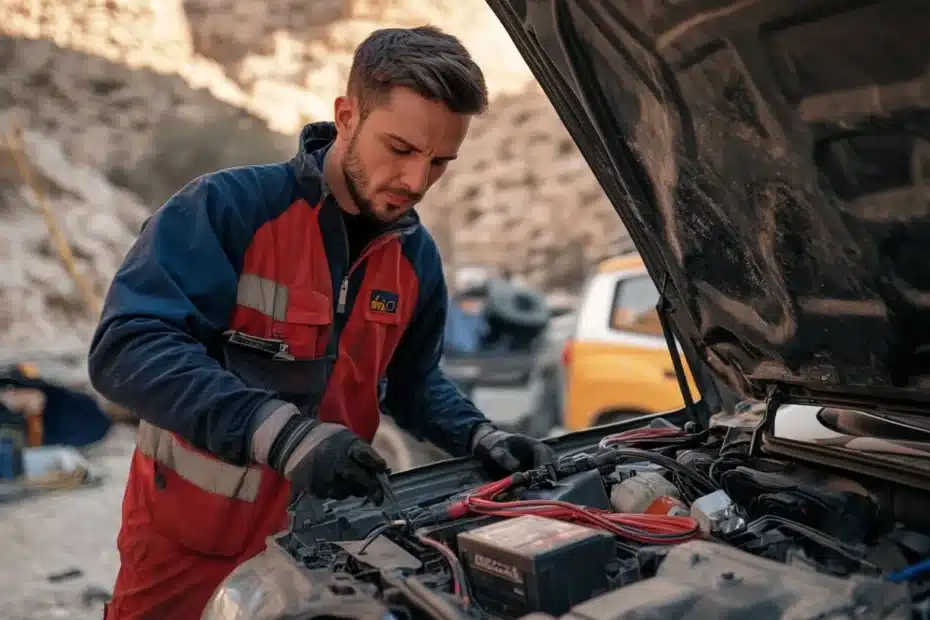
It happens in grocery store parking lots, at school pick-up lines, and most frequently, on those bone-chilling Clio mornings when you’re already running late for work—the dreaded click that signals a dead battery. In Michigan, where winter temperatures routinely plunge below zero and summer heat waves push the mercury past 90°F, vehicle batteries face some of the harshest operating conditions in the country. Did you know that a battery that performs perfectly in moderate weather can lose over 60% of its starting power when temperatures drop below freezing? For Clio residents, understanding proper battery maintenance isn’t just about convenience—it’s about preventing that moment when you’re left stranded in potentially dangerous weather conditions.
The Michigan Battery Killer: Why Clio Drivers Face Unique Challenges
Living in Clio means experiencing the full range of Michigan’s weather extremes—conditions that create a perfect storm of battery-draining factors. While most drivers understand that cold weather affects battery performance, many don’t realize that Michigan’s climate creates a year-round assault on battery life.
Local Tip: Clio drivers should be especially vigilant about battery testing in October before the first deep freeze hits. Our local technicians frequently see batteries that performed perfectly all summer suddenly fail during the first cold snap, leaving drivers stranded precisely when roadside assistance is most backlogged.
What makes Clio’s environment particularly challenging for vehicle batteries? Several factors combine to create shorter battery lifespans compared to more temperate regions:
- Extreme temperature swings: The shift from sub-zero winter nights to 30°F daytime temperatures creates stress that weakens internal battery components
- Extended cold-soaking periods: Vehicles parked outside overnight in Clio’s winter temperatures require significantly more starting power
- Summer heat intensity: Contrary to popular belief, hot summer days actually cause more long-term battery damage than winter cold
- Higher electrical demands: Clio drivers use headlights, defrosters, and heaters more frequently during long winter months
At Kirk Todd’s Garage, we’ve seen batteries that would last 5-6 years in milder climates fail after just 2-3 years of exposure to Michigan’s seasonal extremes. Understanding these local factors helps Clio drivers anticipate rather than react to battery problems.
Warning Signs: Your Battery’s Desperate Cries for Help
Most battery failures don’t happen without warning. For Clio drivers navigating Michigan’s challenging conditions, recognizing these early signals can mean the difference between a planned replacement and an emergency situation in potentially dangerous weather.
Key Battery Warning Signs for Michigan Drivers
- Sluggish starting: When your engine cranks more slowly than usual, especially on cold mornings
- Dimming headlights: Lights that appear dimmer, particularly at idle or when multiple electrical systems are running
- Electrical inconsistencies: Power windows moving more slowly or radio/dashboard lights flickering
- Battery warning light: This dashboard indicator often appears before complete failure
- Swollen battery case: A physically distorted battery case indicates internal damage
- Rotten egg smell: This distinctive odor suggests battery acid leakage
“Many Clio drivers ignore the early symptoms, especially during fall when temperatures are still moderate,” notes a technician from our FAQ department. “By the time winter arrives, these minor issues have progressed to the point of failure, usually happening on the coldest morning of the year when the battery is under maximum stress.”
Paying attention to these warning signs is particularly important before long trips. Nothing ruins a family vacation faster than a battery failure in an unfamiliar location without access to trusted Vehicle Repair services.
Beyond Age: Why Simply Counting Years Isn’t Enough
Many Clio drivers follow the common wisdom that car batteries should be replaced every 3-5 years. While this provides a useful general guideline, Michigan’s unique conditions mean that battery evaluation should involve more sophisticated assessment than simply tracking calendar time.
Factors Affecting Battery Lifespan in Clio
- Driving patterns: Short trips in cold weather never allow the battery to fully recharge
- Parking conditions: Batteries in vehicles consistently parked outside age faster than those kept in garages
- Electrical accessories: Aftermarket additions like dash cams or upgraded audio systems increase power demands
- Charging system health: Alternator issues can cause premature battery failure
- Battery type and quality: Economy batteries typically last 2-3 years in Michigan conditions, while premium models might extend to 4-5 years
“The 3-5 year replacement guideline was established for average national conditions,” explains a specialist from our Seasonal Car Tips department. “Here in Clio, where temperatures swing dramatically and winter starting requires more power, we typically see the lower end of that range for standard batteries.”
Rather than relying solely on age, Clio drivers should incorporate professional battery testing into their regular maintenance schedule. Modern battery tests evaluate internal resistance and cold cranking performance—far more reliable indicators than age alone for predicting when replacement becomes necessary.
The Testing Advantage: Why Professional Evaluation Matters
When it comes to battery assessment, not all testing methods are created equal. Many Clio drivers rely on basic voltage readings from multimeters or simplistic built-in battery testers at auto parts stores. While these can identify completely failed batteries, they often miss the early degradation that becomes critical during extreme weather events.
Professional Battery Testing Capabilities
Professional shops like ours use sophisticated testing equipment that measures:
- Cold Cranking Amps (CCA): The battery’s actual starting power compared to its rated capacity
- Internal resistance: Detecting increased resistance that precedes failure
- Reserve capacity: Measuring the battery’s ability to power essential systems if the alternator fails
- Charging system performance: Evaluating if your alternator is properly maintaining battery charge
- Parasitic drain: Identifying abnormal power draws when the vehicle is off
“The difference between basic and professional testing becomes most apparent during Michigan’s temperature extremes,” notes our senior technician. “A battery might show adequate voltage on a parts store tester during a mild fall day, but our advanced equipment can predict whether it will start your vehicle when temperatures plunge below zero in January.”
For Clio drivers, this predictive capability provides peace of mind throughout Michigan’s challenging winter months. Our Customer Testimonials frequently mention the value of catching potential failures before they leave families stranded in dangerous conditions.
The Right Battery: Why ‘One Size Fits All’ Doesn’t Work in Michigan
Walk into any auto parts store, and you’ll find batteries arranged primarily by group size—the physical dimensions that determine whether a battery fits your vehicle. However, for Clio drivers facing Michigan’s extreme conditions, choosing the right battery involves far more than simply matching dimensions.
Critical Battery Selection Factors for Michigan Vehicles
- Cold Cranking Amps (CCA): Higher ratings provide better cold-weather starting power
- Reserve Capacity (RC): More reserve minutes support extended accessory use
- Battery chemistry: Some designs perform better in extreme temperatures
- Warranty terms: Look for warranties that specifically cover Michigan’s climate conditions
- Maintenance requirements: Sealed vs. serviceable options for different driving patterns
“Many Clio drivers make the mistake of purchasing batteries based primarily on price,” cautions our Customer Feedback expert. “This approach often leads to selecting batteries with inadequate cold-weather performance that leave them stranded during our harshest winter conditions.”
Professional automotive shops consider your specific vehicle’s electrical demands, typical parking conditions, and driving patterns when recommending battery replacements. This customized approach ensures your new battery provides reliable service through Michigan’s challenging seasonal transitions.
Installation Matters: Why DIY Replacement Can Cost More
With instructional videos readily available online, many Clio drivers consider battery replacement a straightforward DIY project. While physically swapping batteries seems simple, modern vehicles introduce complexities that can turn a seemingly easy task into an expensive mistake.
Modern Vehicle Battery Replacement Challenges
- Memory preservation: Many vehicles require continuous power during replacement to preserve computer settings
- Registration requirements: Some vehicles need electronic “introduction” to new batteries
- Charging system calibration: Certain makes require system reset after battery changes
- Fragile electronics: Battery acid and improper connections can damage sensitive components
- Proper disposal: Old batteries contain hazardous materials requiring special handling
“We regularly see vehicles towed in after DIY battery replacements gone wrong,” shares a technician from our Auto Repair Costs department. “Unfortunately, the damage to electrical systems often costs many times more than professional installation would have.”
Professional installation also typically includes a comprehensive charging system evaluation—checking that your alternator and voltage regulator can properly maintain your new battery. This holistic approach prevents the frustration of having a new battery fail prematurely due to underlying charging issues.
Battery Maintenance: Simple Steps for Extended Life
While Michigan’s climate creates challenges for battery longevity, Clio drivers can take several proactive steps to maximize performance and lifespan between replacements.
Effective Battery Maintenance Strategies
- Corrosion prevention: Keep terminals clean and protected with anti-corrosion spray
- Secure mounting: Ensure the battery is tightly secured to prevent vibration damage
- Regular driving: Short trips don’t fully recharge batteries—aim for at least one 20-minute drive weekly
- Parasitic drain management: Address unusual power drains that deplete parked batteries
- Seasonal charging: Consider periodic maintenance charging during extreme temperature periods
“The correlation between regular battery maintenance and extended lifespan is particularly strong in Michigan’s climate,” notes our Auto Maintenance Guide specialist. “Simple preventative steps often add 1-2 years to battery life even in our challenging conditions.”
For vehicles driven infrequently or primarily for short trips, consider using a battery maintainer during extended parking periods. These devices provide gentle charging that prevents the deep discharge cycles particularly damaging to battery health.
Beyond Starting: How Battery Health Affects Modern Vehicles
While most Clio drivers associate battery function primarily with starting their vehicles, modern automotive electrical systems rely on battery performance for many additional functions. A deteriorating battery can cause mysterious problems seemingly unrelated to starting.
How Battery Health Impacts Vehicle Systems
- Fuel efficiency: Engine control computers require stable power for optimal fuel metering
- Transmission shifting: Electronic transmissions use battery power for shift timing calculations
- Emissions controls: Inconsistent voltage affects emission system performance
- Safety systems: Everything from airbags to anti-lock brakes depends on proper voltage
- Comfort features: Heating, air conditioning, and infotainment stability relies on battery health
“We frequently see Clio customers puzzled by intermittent electronic glitches that disappear after battery replacement,” explains a technician from our Car Care Essentials team. “The connection between battery health and these seemingly unrelated issues becomes obvious when you understand how modern vehicles rely on stable power for virtually all systems.”
As vehicles increasingly incorporate sophisticated electronics and computer controls, the importance of maintaining proper battery condition extends far beyond simply ensuring reliable starts. A healthy battery provides the stable electrical foundation that all other vehicle systems depend upon.
Jump Starting Safely: When You’re Already Stranded
Despite best maintenance efforts, Clio drivers occasionally face battery failures requiring jump starts. While jumping a battery seems straightforward, modern vehicles present specific risks that require proper technique to avoid expensive damage.
Safe Jump Starting for Modern Vehicles
- Positioning: Never allow vehicles to touch during jump starting
- Cable connection sequence: Follow the specific order recommended in your owner’s manual
- Electronics protection: Consider turning off sensitive systems before jump starting
- Charging period: Allow sufficient engine running time after jumping to restore battery charge
- Professional inspection: Have your battery and charging system evaluated after any jump start
“The complexity of jump starting has increased significantly with modern vehicle designs,” cautions a specialist from our Service Feedback department. “Voltage spikes during jumping can damage sensitive electronics if proper procedures aren’t followed precisely.”
For Clio drivers, maintaining jump start cables or a portable jump starter in your vehicle becomes particularly important during winter months when battery failures are most common and waiting for assistance in cold conditions can be dangerous.
Alternative Power Options: Solutions for Special Needs
While traditional lead-acid batteries remain standard for most vehicles, alternative battery technologies offer specific advantages for certain driving patterns and vehicles. For Clio drivers with particular needs, these alternatives may provide better performance in Michigan’s challenging conditions.
Battery Alternatives Worth Considering
- Absorbed Glass Mat (AGM): Superior cold-weather performance and vibration resistance
- Enhanced Flooded Batteries (EFB): Better cycling capability for start-stop equipped vehicles
- Lithium-Ion: Lightweight performance options for specific applications
- Deep Cycle Hybrids: For vehicles with heavy accessory power demands
“The additional cost of premium battery technologies often pays for itself through extended lifespan in Michigan conditions,” notes a technician from our Auto Repair Estimates department. “For Clio drivers who absolutely depend on starting reliability in all conditions, the upgrade to AGM technology frequently makes financial sense over time.”
Discuss your specific driving patterns and needs with our professionals to determine whether alternative battery technologies might provide advantages for your particular situation and vehicle.
The Hybrid and Electric Vehicle Difference
Drivers of hybrid and electric vehicles face different battery considerations than those with conventional vehicles. While these vehicles include conventional 12-volt batteries for accessories and systems, they require specialized knowledge for proper maintenance and service.
Special Considerations for Advanced Vehicles
- Auxiliary battery function: The purpose and maintenance of 12V systems in hybrid/electric vehicles
- Safety procedures: Special handling requirements for high-voltage systems
- Performance indicators: Recognizing battery issues in advanced powertrains
- Professional expertise: The importance of specialized knowledge for hybrid battery service
“The integration between conventional and high-voltage systems in advanced vehicles creates unique service needs,” explains a specialist from Kirk Todd’s Garage News. “Professional technicians with specific training can ensure both safety and proper system function when servicing these sophisticated vehicles.”
For Clio residents with hybrid or electric vehicles, establishing a relationship with technicians specifically trained in advanced powertrain systems provides peace of mind that both conventional and high-voltage battery systems receive appropriate care.
Emergency Preparedness: Beyond the Battery
While maintaining battery health significantly reduces breakdown risks, comprehensive emergency preparedness should be part of every Clio driver’s winter strategy. Michigan’s extreme conditions can turn a simple battery failure into a potentially dangerous situation without proper preparation.
Winter Emergency Essentials for Clio Drivers
- Communication: Fully charged mobile phone and backup power bank
- Visibility items: Flashlights, reflective triangles, and emergency flares
- Warmth provisions: Blankets, hand warmers, and extra clothing layers
- Traction aids: Sand, cat litter, or traction mats for slippery conditions
- Emergency contacts: Local Towing Services numbers saved in your phone
“Michigan winters demand a higher level of emergency preparedness than many drivers anticipate,” advises our safety specialist. “Even with a healthy battery, other breakdown causes can leave you waiting for assistance in potentially dangerous conditions.”
Preparing for emergencies becomes particularly important for Clio residents who regularly travel rural routes where cell service may be limited and passing traffic is sparse during extreme weather events.
The Battery-Alternator Relationship: A Critical Partnership
Many Clio drivers mistakenly view battery and alternator function as separate systems. In reality, these components form an interdependent relationship where failure of either affects the other’s performance and lifespan.
Understanding the Charging System Partnership
- Load sharing: How batteries assist alternators during peak electrical demands
- Charging cycles: The importance of proper recharging after starting
- Warning signs: Recognizing symptoms of alternator issues versus battery problems
- System testing: The value of comprehensive charging system evaluation
“A common pattern we see in Clio vehicles is premature failure of replacement batteries due to undiagnosed alternator issues,” notes a technician from our Car Suspension department, who frequently conducts comprehensive vehicle assessments. “Professional battery replacement should always include alternator output testing to ensure your new battery receives proper charging.”
This systems-based approach to electrical maintenance provides more reliable long-term performance than simply replacing components reactively when failures occur—particularly important for vehicles regularly facing Michigan’s challenging operating conditions.
The Professional Advantage: Why Expertise Matters
While battery testing and replacement might seem straightforward, professional service provides significant advantages for Clio drivers seeking reliable performance through Michigan’s challenging conditions.
Benefits of Professional Battery Service
- Comprehensive evaluation: Testing that identifies issues before they cause failures
- System perspective: Assessing the entire electrical system, not just the battery
- Proper installation: Techniques that protect sensitive electronics during replacement
- Quality guarantees: Warranties backed by local service providers
- Disposal compliance: Environmentally responsible handling of hazardous materials
“The value of professional battery service becomes most apparent during extreme weather events,” observes a specialist from our Share Your Experience team. “When temperatures plunge and roadside assistance is overwhelmed with calls, our customers appreciate the reliability that comes from preventative professional battery care.”
For Clio drivers, the modest investment in professional battery maintenance provides both convenience and safety benefits that far outweigh the costs, particularly considering Michigan’s challenging seasonal transitions.
Stay Powered, Stay Safe: Contact Our Battery Experts Today
Don’t wait until you’re stranded in Clio’s harsh winter conditions with a dead battery. At Kirk Todd’s Garage, our team of battery specialists understands the unique challenges Michigan’s climate creates for your vehicle’s electrical system.
We offer comprehensive battery testing, expert replacement services, and personalized advice tailored to your specific driving patterns and needs. Our battery services include:
- Precision computerized battery analysis
- Complete charging system evaluation
- Professional installation with memory protection
- Battery options specifically selected for Michigan conditions
- Comprehensive warranty protection
Call us today at (810) 555-7890 to schedule your battery evaluation or to discuss any concerns about your vehicle’s electrical performance. Remember, in Michigan’s extreme conditions, battery maintenance isn’t just about convenience—it’s about keeping you and your family safe through all seasons.
Don’t get stranded—contact our battery experts today and drive with confidence knowing your vehicle is prepared for everything Clio’s challenging climate can deliver.