AUTO REPAIR TIPS & GUIDANCE: ADVICE YOU CAN TRUST
We recognize our customers and their vehicles as individuals. At our shop, we understand your expectations are high. To exceed them, we provide monthly blog posts with cost-saving maintenance resources, economizing suggestions for unavoidable expenses like fuel, and budget-conscious repair tips. Need more personalized help? Just ask one of our professionals!
5 INDICATORS YOUR SUSPENSION REQUIRES A CHECK UP
A vehicle’s suspension system consists of various components including springs, shock absorbers, ball joints, and struts. Wondering if your suspension needs inspection? Here are five key signs to monitor, helping you determine whether your suspension requires professional attention:
1. NOTICEABLE DRIFTING OR PULLING WHILE TURNING
When navigating turns, unusual pulling or drifting might indicate potential suspension issues. Vehicles with compromised suspension can veer to one side or drift out of their lane, even when you’re holding the steering wheel straight. This behavior typically stems from worn or damaged suspension components affecting your wheel alignment.
2. UNEVEN TIRE TREAD WEAR
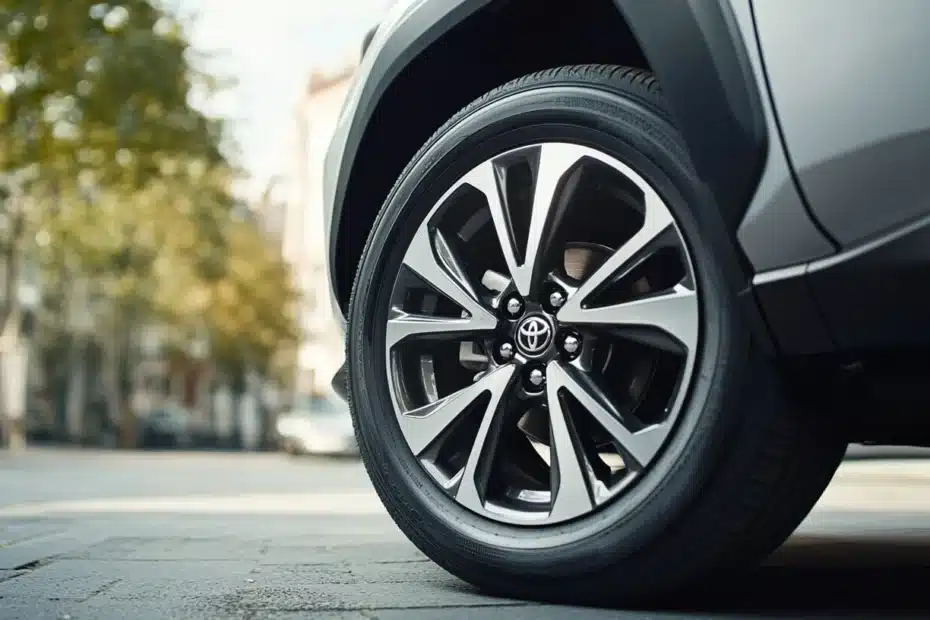
Irregular tire tread wear, characterized by random bald patches instead of a uniform pattern, often signals significant suspension problems. If you observe uneven wear patterns on your tires, particularly excessive wear along the inside or outside edges, suspension issues may be the culprit. Misaligned wheels or deteriorating suspension components frequently cause this uneven tire wear pattern.
3. SENSATION OF DIPS OR DIVES UPON BRAKING
Experiencing lurching, dipping, or diving sensations during braking may indicate worn-out shock absorbers, which are critical components of your vehicle’s suspension system. These symptoms suggest your shock absorbers no longer effectively dampen your vehicle’s spring movement, compromising stability and braking performance. Addressing this issue promptly through professional inspection and replacement is essential.
4. DIFFICULTY IN STEERING
Struggling to steer your vehicle smoothly could signal underlying suspension problems. Proper steering functionality remains crucial for safe and effective road maneuvering. If left unaddressed, your turning ability will become severely compromised. Consulting with a reputable automotive service provider is advisable to diagnose and resolve any suspension-related concerns promptly.
5. STRANGE NOISES
Clunking, knocking, or creaking sounds when driving over bumps or during steering maneuvers often indicate suspension issues. These noises typically suggest problems with components like bushings, ball joints, or control arms. Such sounds may indicate loose or worn parts requiring professional attention sooner rather than later.
REQUIRE SUSPENSION WORK?
We specialize in suspension inspection and repairs. We understand the importance of a healthy suspension system for ensuring a smooth and safe driving experience. That’s why we offer comprehensive services to diagnose and address any suspension issues your vehicle might have, guaranteeing a comfortable and confident ride on every journey.
PREVENTIVE AUTO MAINTENANCE FOR SEVERE DRIVING
REDUCE THE EFFECTS OF SEVERE DRIVING ON YOUR CAR
Are you an “aggressive” driver? Most people answer “no” because “aggressive” has become associated with road rage incidents. Today we use the term “severe” instead. Severe driving is often unavoidable.
8 Types of Severe Driving
- Moving quickly through curvy roads in your area
- Traversing gravel or sandy roads
- Driving in extreme heat, on icy roads or roads with deep snowpack
- Executing multiple lane changes in stop-and-go traffic
- Consistently driving 10 mph or more over the speed limit
- Short time-dependent commutes around town
- Truncating a safe following distance resulting in frequent braking
- Driving with heavier loads such as a cargo or passenger van or towing a trailer
While most motorists experience “severe” driving occasionally, for others it’s an unavoidable part of daily commuting. If you’re a severe driver, take extra precautions to prevent excessive wear and tear on your car, SUV, or truck. Severe drivers face higher risks of inconvenient breakdowns.
Increase Your Preventive Maintenance Intervals On These Six Important Items:
- Replace your motor oil and oil filters
- Top off or replace your coolant
- Have your brake pad thickness and brake fluid inspected regularly
- Check your tire tread depth
- Replace your windshield wipers
- Monitor your transmission and steering fluid
Other ways to minimize excess wear and tear from severe driving include slowing down, avoiding quick starts and stops, and removing heavy items left in your car’s trunk or truck bed. Remember that gas mileage decreases rapidly when driving above 60 mph.
5 REGULAR AUTO MAINTENANCE ITEMS THAT SAVE REAL MONEY
SAVE MONEY AND TIME WITH SIMPLE PREVENTATIVE MAINTENANCE
Minor auto maintenance investments yield significant protection for your wallet against costly future repairs.
Schedule regular auto maintenance for these five essential systems
- Brakes, including brake pads, brake fluid, calipers, and rotors
- Tires, including tread wear, proper inflation, front end alignment, and balancing
- Belts, including serpentine, starter, and timing belts
- Hoses, including cooling and radiator hoses
- Fluids, including oil, transmission, steering, brake, antifreeze, and wiper fluids
We keep your vehicle running smoothly and efficiently to save you both time and money in and out of the repair shop. Many drivers overlook how services such as a simple oil change can increase fuel efficiency and reduce expenses at the gas pump.
Discussing an annual vehicle maintenance plan with automotive professionals can help spread maintenance costs throughout the year, making auto maintenance expenses more manageable. Ask about available coupons and rebates on items such as tires for additional savings.
SHOULD I REPLACE MY CAR’S SPARK PLUGS?
THE TWO INSTANCES WHEN YOU SHOULD ALWAYS REPLACE YOUR SPARK PLUGS
Let’s discuss spark plugs. A common question we hear is, “Should I replace my spark plugs?”
A spark plug performs a critical function for your vehicle’s engine. Without spark plugs, your car or truck’s engine cannot operate. Properly functioning spark plugs also deliver improved fuel efficiency. Most owner’s manuals recommend replacing spark plugs every 80,000 to 100,000 miles. In many cases, spark plugs outlast the driver’s ownership of the vehicle.
So, when should you replace your spark plugs?
- If you just purchased a used vehicle
- At least every 80,000 miles
Spark plugs rank among the hardest working components in a vehicle. After purchasing a used car, it’s advisable to replace the spark plugs immediately. You have no way of knowing if previous owners were “severe” drivers. A spark plug can fire 400 times per minute per cylinder or 1,600 times a minute in a four-cylinder engine. Severe driving places even greater demands on spark plugs and engines.
Many used car dealers boast extensive multi-point inspection plans prior to sales, but many of these plans don’t assess spark plug integrity. Because a failed spark plug can spell disaster for your new purchase, professional replacement is recommended.
We suggest replacing spark plugs before they reach the 80,000-mile mark. Many car owners delay spark plug replacement until the engine starts “missing.” An engine that “misses” typically produces a jerking sensation during acceleration. Severely worn spark plugs create pinging or knocking sounds. These fouled, worn-out spark plugs can lead to extensive engine damage that’s expensive to repair. Therefore, replacing spark plugs before they reach the 80,000-mile threshold is crucial.
Three Indicators Your Spark Plugs Need To Be Replaced
- Rattling, pinging, or knocking noises when accelerating
- Missing, hesitating, or jerky feeling when driving
- Slow acceleration or chugging
Sluggish performance also causes poor fuel economy. Save money at the pump by maintaining your vehicle’s spark plugs properly.
DON’T FORGET TO REPLACE YOUR CAR OR TRUCK’S BELTS
REMEMBER TO CHANGE YOUR BELTS
Drivers are busy, and it’s easy to forget that belts work tirelessly to keep your engine running. A worn-out belt is a breakdown waiting to happen. Avoid being stranded roadside by having your belts inspected during each oil change.
Your vehicle’s belts are essential for many critical components such as water cooling, air conditioning, and the alternator. Serpentine belts drive the alternator, power steering, and air-conditioning compressor. When serpentine belts break, your vehicle often stops working completely.
Professional replacement of worn or frayed serpentine belts is important. Replacing belts when cracked, frayed, or showing excessive wear is inexpensive compared to having your vehicle towed to a repair facility.
Listen for signs of belt problems. Noises like rattling or slipping in the belt system indicate wear. Use your nose to detect potential belt issues—the smell of burnt rubber can signal a slipping belt.
When replacing worn serpentine belts, technicians should check all components in the serpentine system, including tensioners and pulleys. Typical serpentine belt replacement intervals range from 60,000 to 90,000 miles.
Why risk being stranded when belt problems can be diagnosed through routine maintenance? Replace your vehicle’s serpentine belts according to your owner’s manual recommendations to avoid the hassle and expense of sudden breakdowns.
OWNING A CAR IS A HIDDEN COST FOR COLLEGE STUDENTS
CAR OWNERSHIP – A HIDDEN COST FOR COLLEGE STUDENTS
Public transportation, Uber, or Lyft may be options for students attending college in large cities, but for those in smaller towns, owning a car may be the only choice. This is particularly true for community college students who must commute to campus.
College expenses are substantial, and car ownership adds another financial burden. Here are the top six expense categories college students should anticipate:
- Fuel
- Financing
- Parking permit, annual taxes, and registration
- Insurance
- Maintenance
- Tires
While parking permits, licensing, registration, and taxes are unavoidable, here are recommendations for managing other costs:
- Consider using a gas app to track down the best fuel prices. Many local gas stations and convenience stores offer reward cards specifically for fuel purchases.
- Reassess your auto loan. College might be an appropriate time to consider a less expensive vehicle. Contact your local credit union about financing options. Some financial institutions offer reduced interest rates for car owners who authorize monthly payment deductions directly from their bank accounts.
- Shopping for car insurance may generate significant savings. With a less expensive car, you might need less coverage. Reduced driving frequency may also lower insurance costs. Maintaining a clean driving record throughout college helps keep insurance rates affordable.
- Develop a solid auto maintenance plan with professional guidance. No student wants to miss class because of vehicle problems. Regular maintenance prevents costly future repairs. Routine services like oil changes also improve fuel efficiency, saving additional money at the pump.
- Tire expenses can shock a college student’s budget. Plan for tire purchases by setting aside small amounts monthly. Take advantage of manufacturer rebates to reduce tire costs.
WHAT OLDER CARS AND TRUCKS NEED
PREVENTATIVE MAINTENANCE FOR OLDER VEHICLES
The consumer price index for used cars and trucks jumped 40.5% from January 2021 to January 2022. Consequently, the average vehicle age is increasing as many owners decide keeping their current vehicles is more economical than purchasing new ones.
As vehicles age, they require more maintenance and repair. Drivers must be increasingly diligent about preventative maintenance. Replacing a faulty O2 sensor costs $250 on average, varying by vehicle make and model. However, performing recommended maintenance such as air filter and spark plug replacement can extend your O2 sensor’s lifespan.
Kelly Blue Book reports the average vehicle age in the US is 13.5 years. After five years of ownership, breakdown probability increases dramatically unless drivers maintain vigilant preventative maintenance. Establishing a preventative maintenance plan minimizes breakdown risks, enhances fuel efficiency, and reduces future repair expenses.
The Top 6 Auto Preventative Maintenance Items to Plan for Today
- Oil changes
- Oil and fuel filters
- Belts and hoses
- Brake system components
- Brake and transmission fluid flushes
- Tires and alignment
Professional automotive services help busy vehicle owners prioritize preventative maintenance through convenient, affordable, and friendly service.